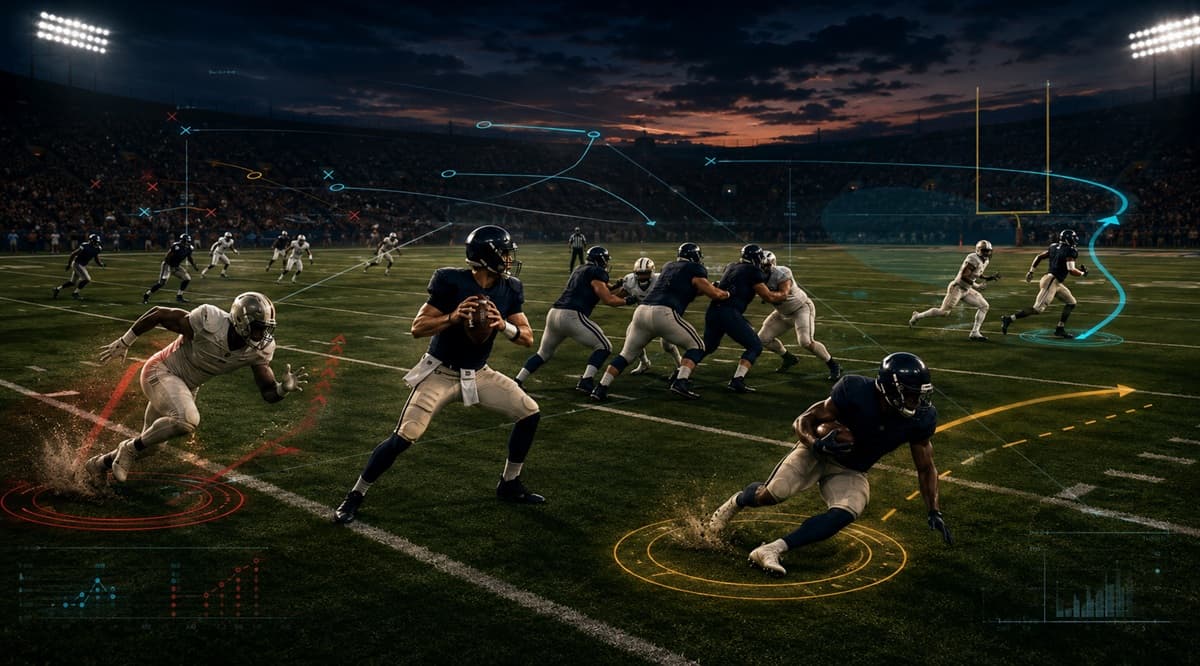
Great Players Change the Geometry of a Play
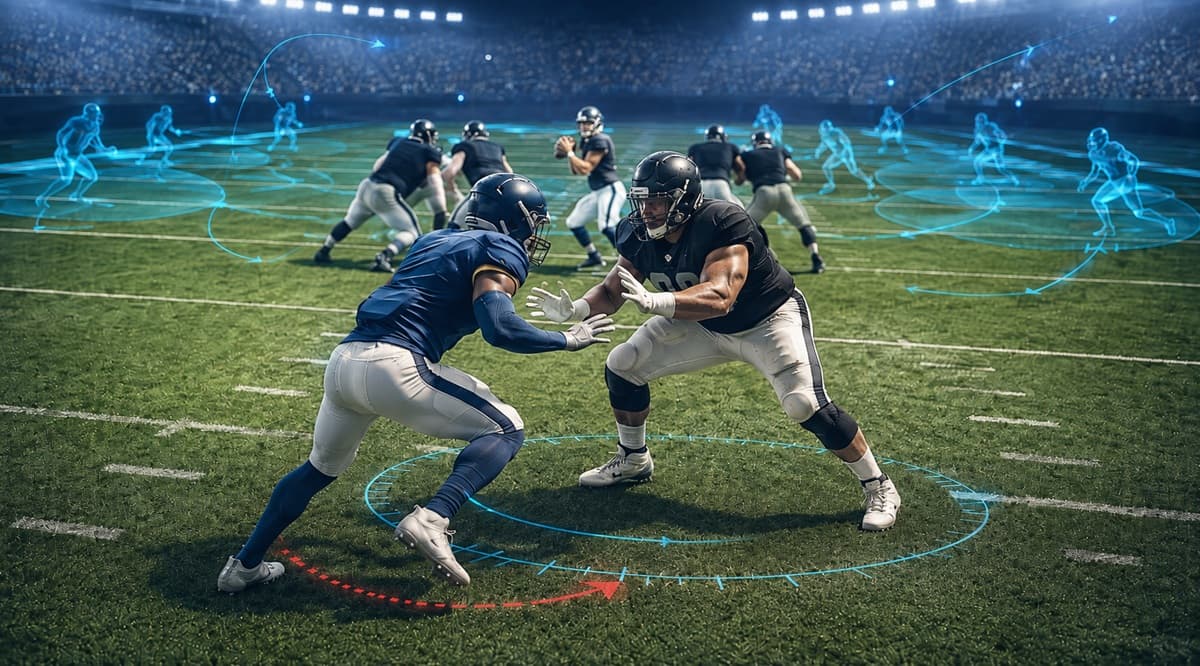
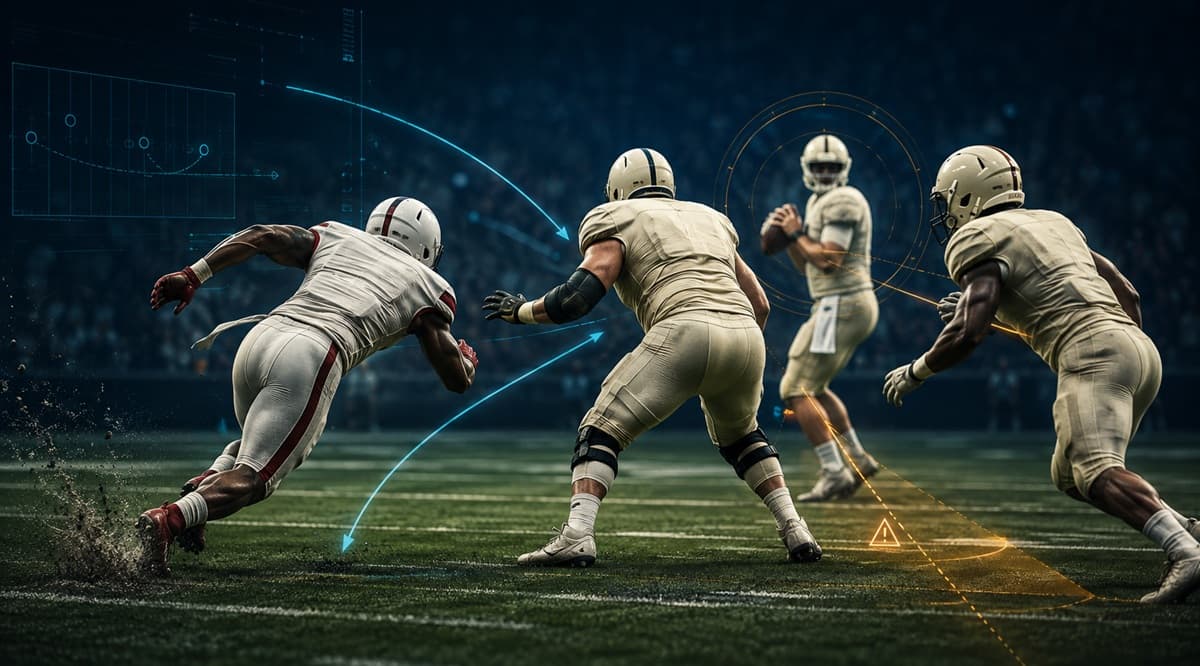
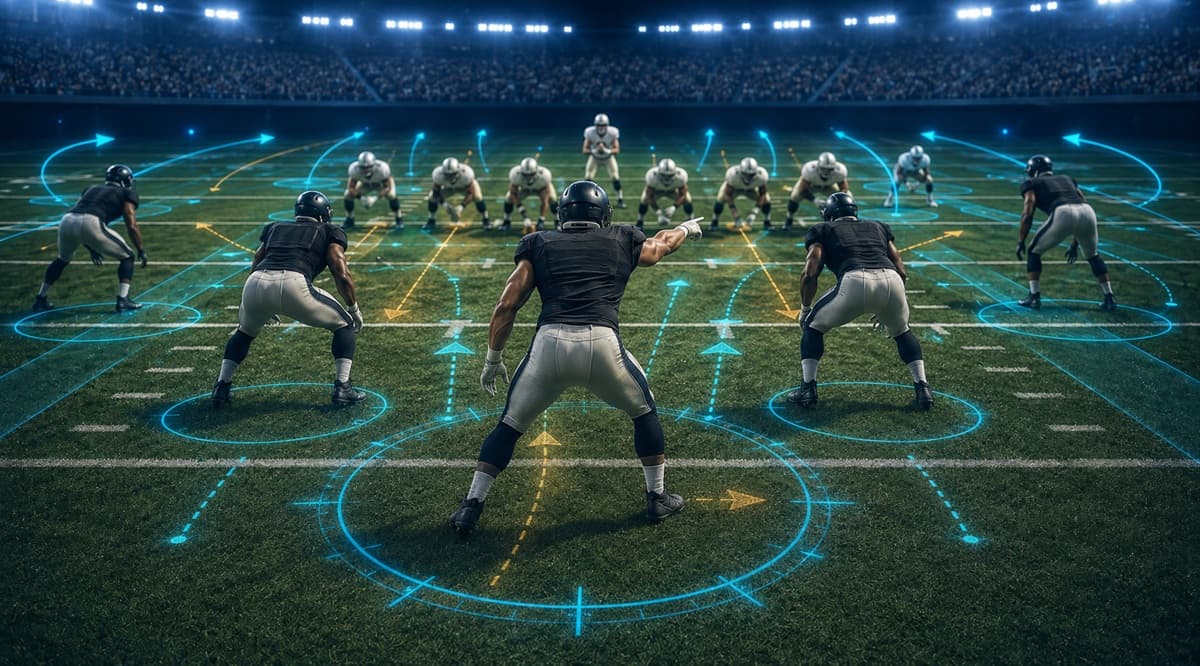
Every football play is, underneath the pads and motion, a geometry problem. Offenses try to create space and time in the right places; defenses try to deny both. Most players operate within that geometry. Exceptional players bend it.
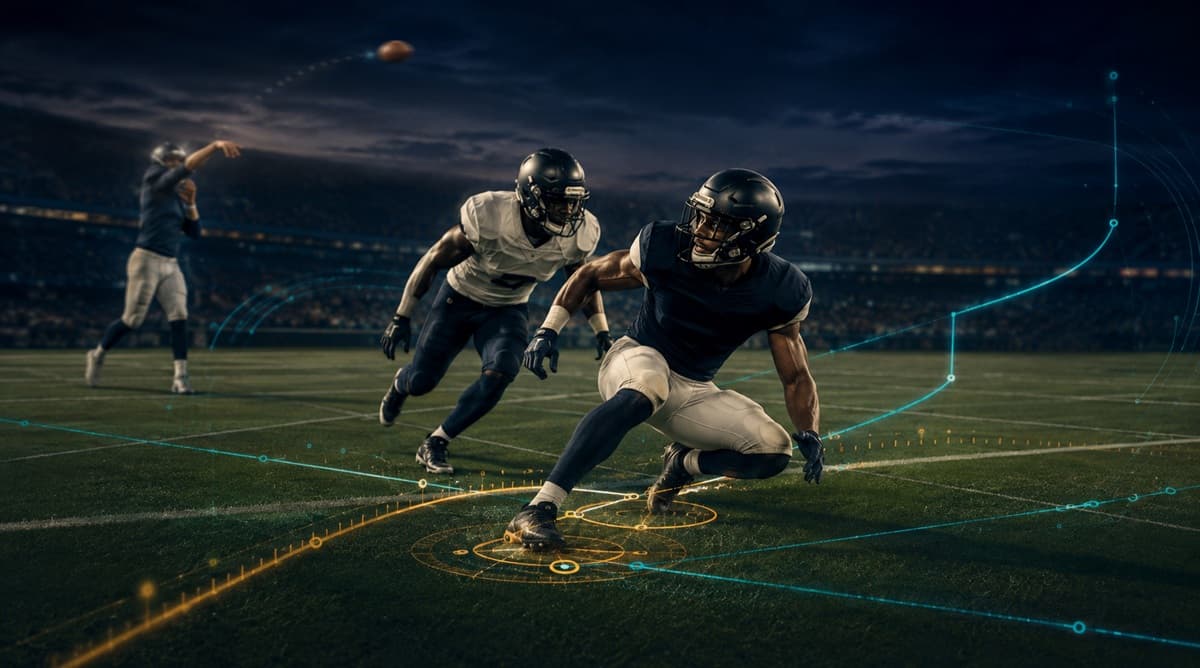
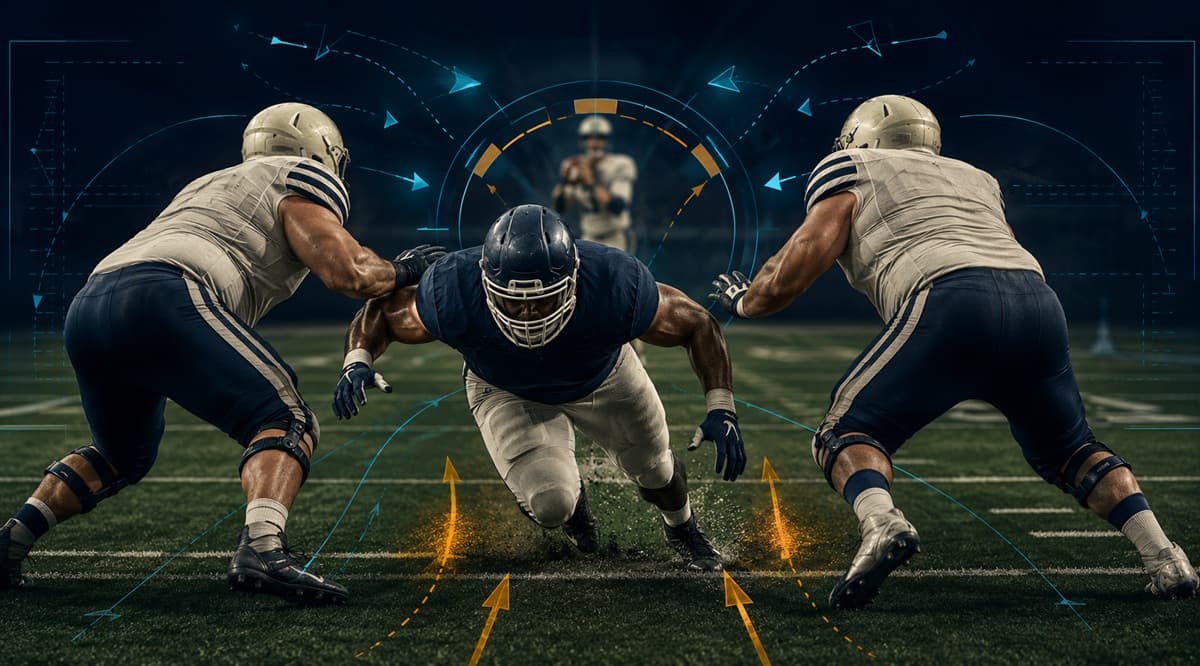
A great blocker changes where a running lane opens. A great route runner changes where a defender has to stand. A great pass rusher changes how much time a quarterback actually has, even on plays where he's never touched. None of this shows up cleanly in a box score, but all of it shows up on film — and it's the reason two players with similar statistics can have very different value to a defense or an offense trying to plan around them.
That's the lens for every profile in this section: not just what a player did, but what defenses and offenses had to do differently because of him.
It's also why two players who put up similar career statistics can have very different strategic value. A running back who consistently forces a defense into extra run support changes how that defense can play on early downs all season, whether or not the numbers reflect it. A cornerback who takes an entire side of the field out of an opposing game plan can look statistically ordinary while being one of the most disruptive players on the roster. Numbers are a starting point for understanding a great player. They're rarely the whole answer.
Quarterbacks Who Controlled the Problem Before the Snap
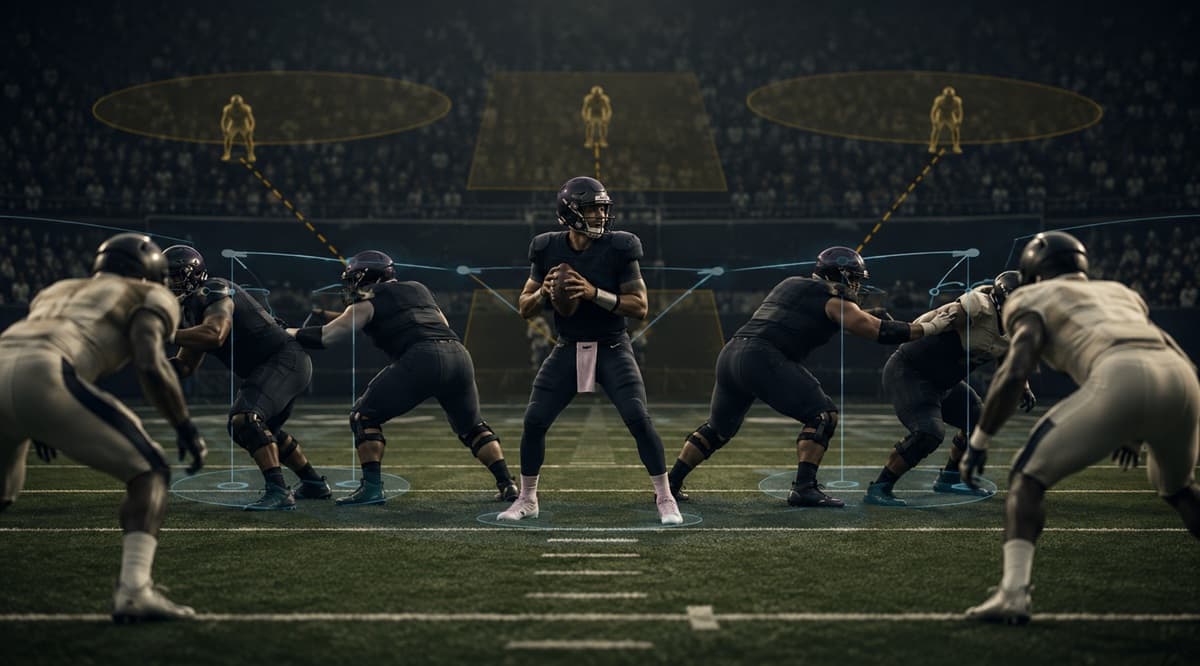
Three quarterbacks anchor this section — Tom Brady, Peyton Manning, and Patrick Mahomes — and it would be a mistake to treat them as interchangeable versions of "great quarterback." They represent different answers to the same question: how do you consistently beat a defense that knows what's coming?
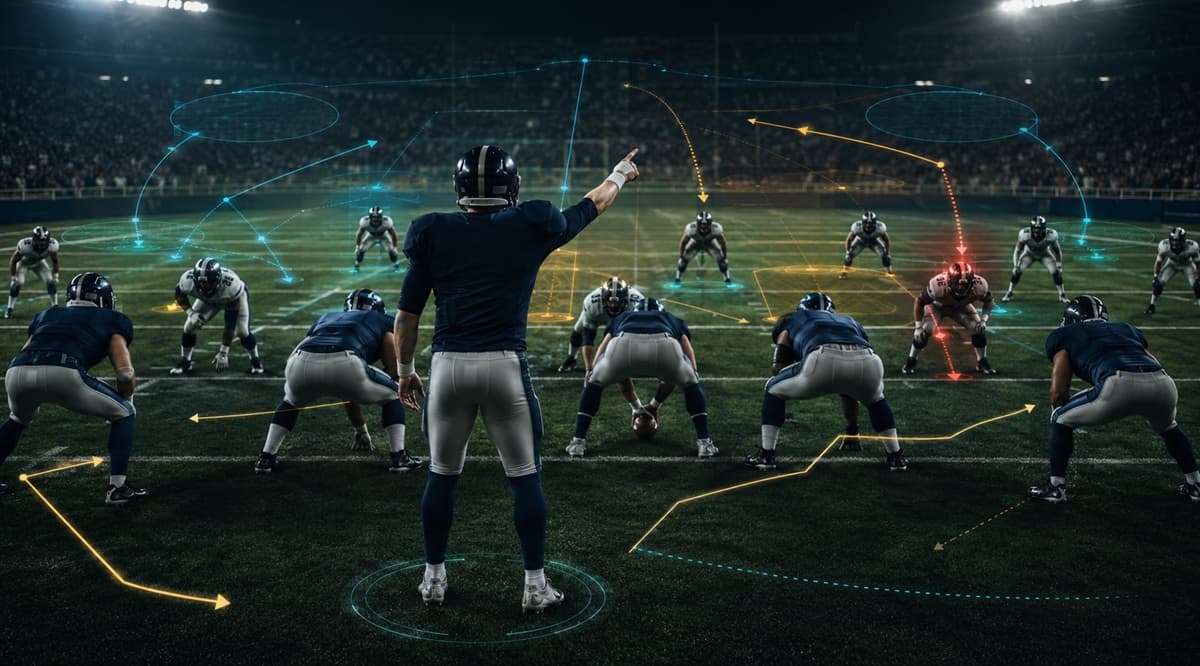
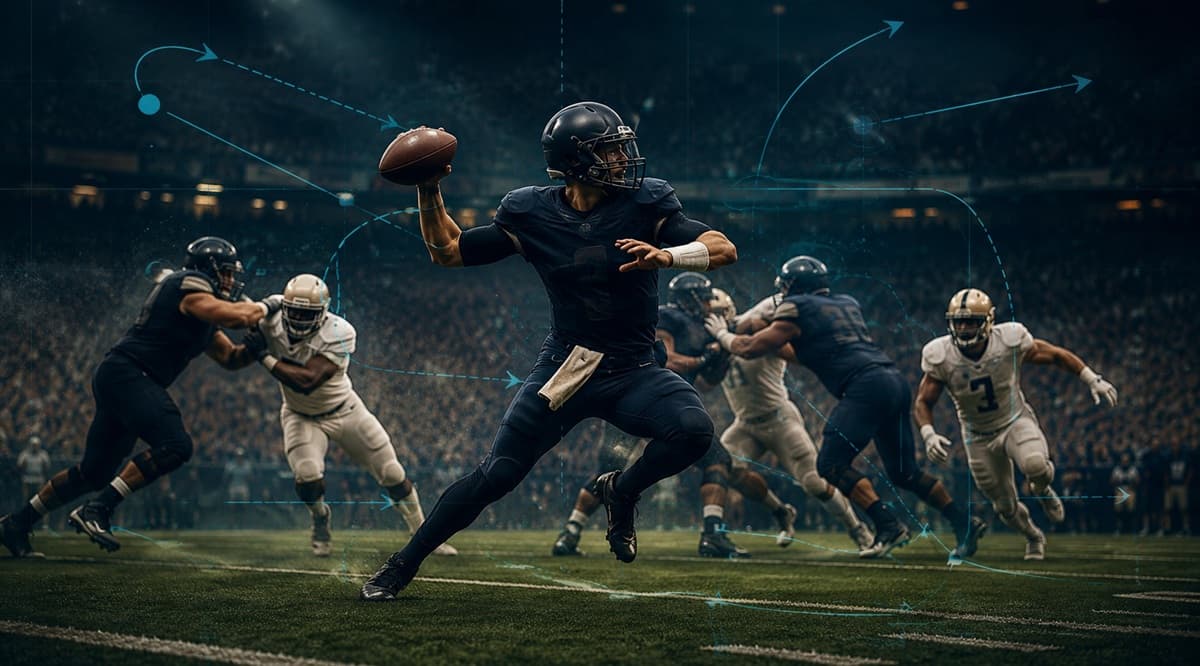
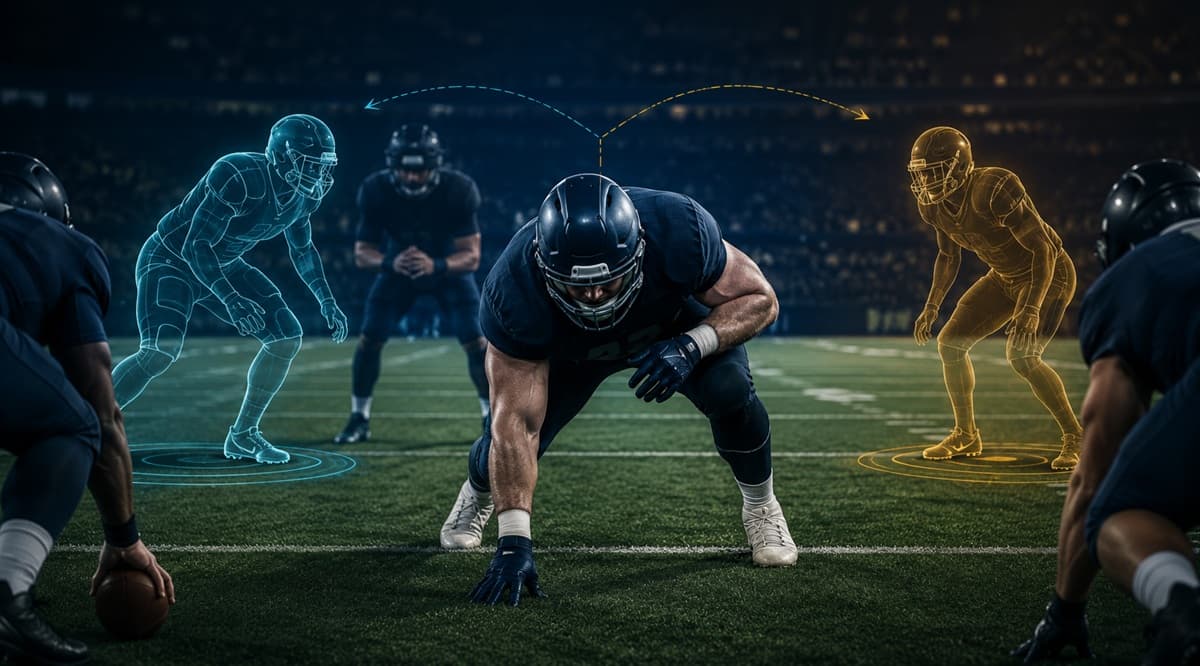
Brady's answer leaned on preparation, anticipation, and getting the ball out on time to the right matchup — control expressed through timing and accuracy rather than physical dominance. Manning pushed that idea further upstream, using cadence, motion, and pre-snap adjustments to diagnose and sometimes rebuild the play before the ball was even snapped. Mahomes represents a different kind of value entirely: a quarterback who understands structure well enough to know exactly when to abandon it, extending plays with his arm and legs after the original design has broken down. None of these approaches is a lesser version of the others — they're different strategic tools, and understanding the difference is part of understanding modern quarterback play.
Runners Who Could Fix Imperfect Plays
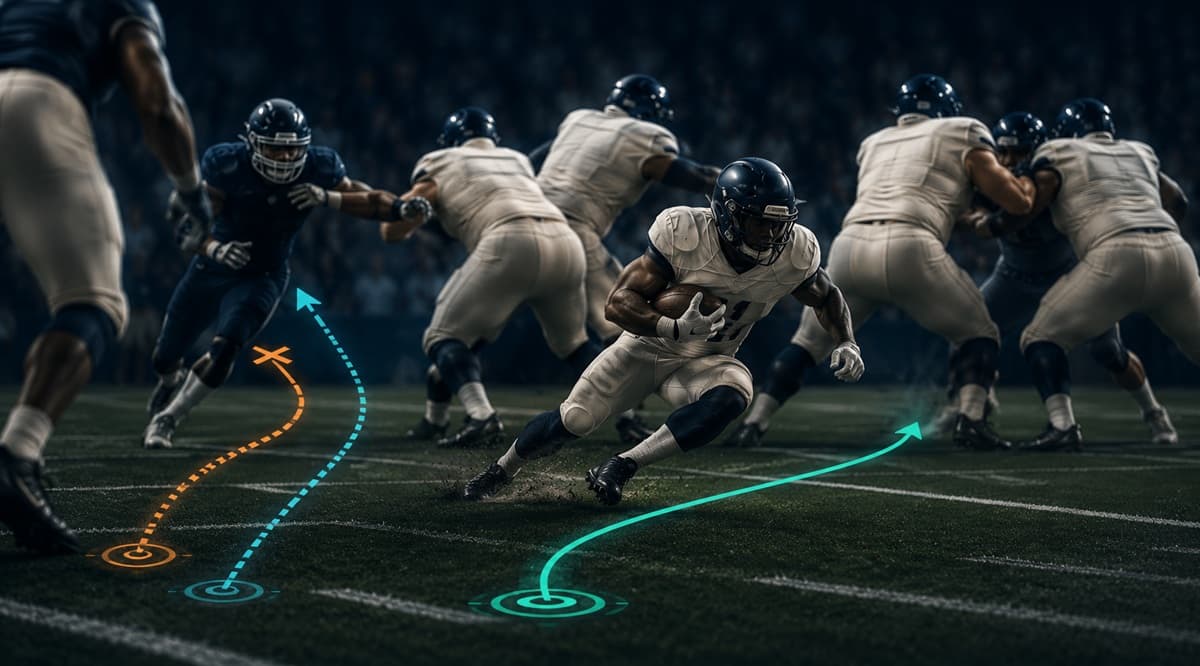
No blocking scheme works on every snap. Linemen get beaten, gaps close, and the "designed" running lane sometimes just isn't there. Most running backs take what the blocking gives them. Barry Sanders treated a blown block as a starting point rather than a dead end — using vision, acceleration, and lateral movement to convert busted plays into positive, and often explosive, gains. That ability to create value independent of blocking is a different offensive skill than power running, and it changes how a defense has to think about pursuit angles and gap discipline against a back who can punish a missed assignment anywhere on the field.
The Blocker Who Made the Blown Assignment Rare
Every other player in this section is defined by disruption — creating it or, in Sanders' case, recovering from it. Anthony Muñoz represents the opposite half of that equation. For 13 seasons, he was consistently good enough in true one-on-one pass protection that Cincinnati rarely needed a tight end or running back to help on his side of the line — the exact kind of extra resource that a great pass rusher elsewhere on this list is designed to force out of an offense. Understanding Muñoz is understanding what it looks like when a problem simply never happens.
Receivers Who Changed Coverage
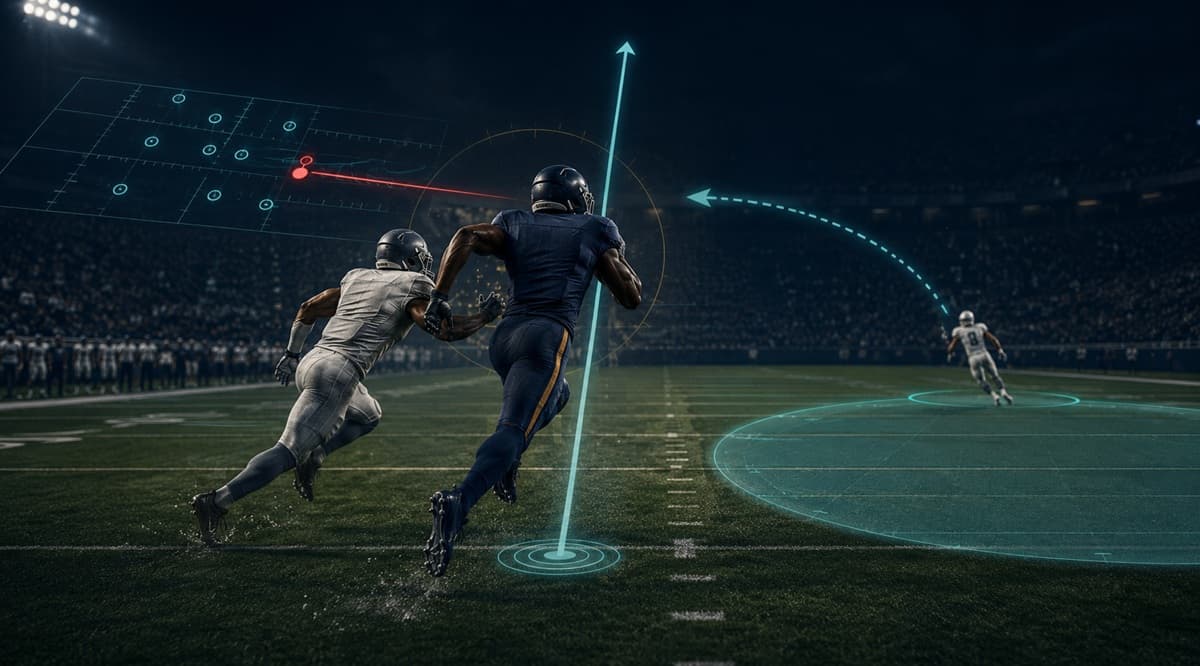
Jerry Rice, Randy Moss, and Rob Gronkowski each forced defenses to adjust in different ways. Rice's precision and timing made every route a threat regardless of raw speed, which made him difficult to defend even when defenders knew exactly where he was going. Moss's vertical speed and catch radius forced safeties to shade toward him before the snap, opening space underneath for every other receiver on the field — the literal meaning of "taking the top off the defense." Gronkowski's case is different again: he isn't purely a receiver. As a tight end who could block like a lineman and separate like a receiver, he created a personnel problem — should the defense answer him with a linebacker or a defensive back? — that had nothing to do with route-running alone.
Defenders Who Forced the Offense to Adjust
Great defenders are measured the same way: not just by tackles or turnovers, but by what an offense had to change because of them. Lawrence Taylor, Aaron Donald, and Deion Sanders represent three different points of pressure on an offensive game plan. Taylor's edge speed and power forced offenses to devote extra blockers — a tight end, a running back chipping before releasing — just to slow him down, weakening the play elsewhere. Donald applied that same kind of disruption from the interior, where a quarterback has fewer places to escape. Sanders operated on the other side of the ball entirely, taking away a receiver so completely in man coverage that offenses often stopped targeting his side of the field altogether, freeing the rest of the defense to allocate help elsewhere.
Ray Lewis adds a fourth kind of pressure, applied before the play even starts. As a middle linebacker, his value came from reading an offense's formation and blocking scheme quickly enough to direct his own defense into the right answer ahead of the snap — a defensive parallel to the pre-snap command that defines Peyton Manning's profile, just facing the opposite direction. Where Taylor and Donald take away a quarterback's time and space, Lewis took away an offense's ability to surprise a prepared defense at all.
From Player Traits to Football Strategy
OpenPlay's simulation and coaching tools are built around a simple idea: an exceptional player shouldn't just make a team's overall rating go up. He should change specific parts of a play — the things a coach and a defense actually have to account for.
That's the idea behind OpenPlay's planned Impact Player concept. Instead of a single rating, a player profile is built from specific traits that map onto specific parts of a play: recognition before the snap, protection and pass-rush interactions, route separation and coverage matchups, contested catches, and the ability to create yardage independent of blocking. A player like Barry Sanders should change how "run creation" is modeled; a player like Lawrence Taylor should change how "protection" is modeled. That's a more honest — and more useful — way to represent greatness than a single number.